
For a climate-resilient urban future, we need empowered women
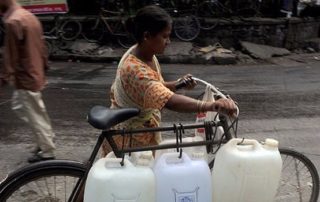
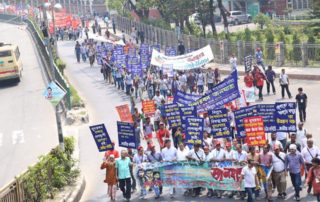
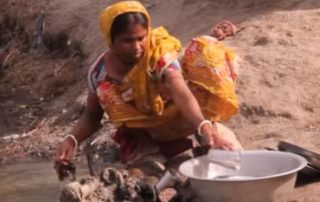
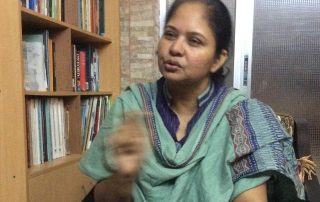
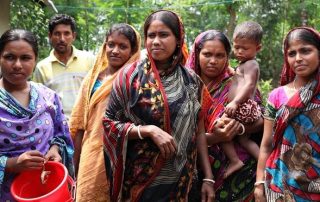
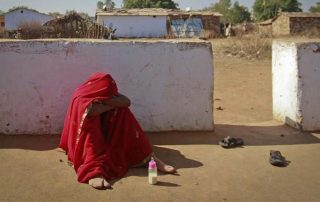
Farah Kabir, the country director of ActionAid Bangladesh, draws attention to the climate struggles faced by Bangladesh’s urban women. Bangladeshi women, who make up over half the population and are deeply affected by poverty, gender inequality, and limited resources, are at an increased disadvantage from climate-induced flooding, natural disasters, and sea level rise. Women and girls continue to face wage discrimination, health issues, malnutrition, and inadequate access to healthcare, hindering their resilience to climate impacts. Within densely populated areas experiencing increasing urbanization like Dhaka, Chattogram, Khulna, and Gazipur, strong measures to address heat-related issues that include gender-responsive adaptation pathways are critical. Kabir calls for an immediate phase-out of fossil fuels and the implementation of gender-sensitive urban planning, enhanced climate finance, and community-based interventions to build resilience and avoid the worst impacts. She also emphasizes that community resilience is enhanced through women’s empowerment in education, resource access, and participation in decision-making processes. To achieve this, urban institutions must be empowered, decentralized, and supplied with adequate budgets and disaggregated data. Government efforts integrating gender considerations into DRR and community resilience, like the Bangladesh Climate Change and Gender Action Plan (CCGAP) provide a framework, but stronger implementation and monitoring are needed. The article concludes with a call to provide funding sources and support women’s organizations and women’s leadership in local governance and climate initiatives with specific attention given to issues of urbanization and development.