
Cameroon

/Tag: Cameroon


16 10, 2025

When the floodwaters rise: Putting women at the center of Climate Adaptation in Cameroon

2025-12-10T01:24:53-05:00Tags: |

The disproportionate damage that climate disasters have on women was evident in the aftermath of the devastating floods that hit Cameroon’s Far North region in 2024. Many of the women residing in affected cities rely on either public transportation which was halted by the waterlogged streets, or traveling by foot which was made more dangerous by unlit walkways and power outages. Furthermore, women in the affected regions report more feelings of danger in public spaces and face the greatest risks of displacement due to insecure land rights. However, an ongoing Sustainable Cities and Land Project funded by the World Bank and supported by the Global Center on Adaptation has proposed a variety of gender-responsive climate adaptation measures that focus on urban resilience, women’s land rights, and women’s safety. For example, in order for the climate adaptation project to take into consideration women’s safety following flood disasters, GCA recommended that beyond drainage improvements, the project also integrate solar lighting that can remain functional regardless of flooding. In Douala and Yauondé, only 24% of land titles in Cameroon are held by women, a framework that places women more at risk for displacement following climate disasters. In response, the climate adaptation project taking place will also prioritize strengthening legal clinics, leading awareness campaigns, and conducting training programs to guide women through land registration procedures. 

5 12, 2022

Cameroon: Cécile Bibiane Ndjebet – A Champion Who Pushes for Women’s Land and Forest Rights #AfricaClimateHope

2025-02-14T13:17:17-05:00Tags: |

Cécile Bibiane Ndjebet is a Cameroonian environmental and women’s rights leader who was awarded the UN’s Champion of the Earth distinction in 2022. Growing up in the forests of Cameroon exposed her to the struggles women face with land access and security amid the climate crisis. Africa is home to the second-largest rainforest in the world, and many communities rely on the forest for food, shelter, and economic prosperity. Women often lead food production from the land. However, they are not given rights to the land due to patriarchal customs and laws that prioritize men. The lack of protection for women propelled Ndjebet down the path of activism. She formed the Cameroon Ecology group which supports community-owned forests in order to restore and conserve the land. Ndjebet advocates that, as stewards of the land, women deserve documented access to inheritance and land ownership. She furthermore emphasizes how women’s leadership, alongside the support of male leaders, is critical in conserving Cameroon’s biodiverse forests. Through her organizing, Ndjebet is fighting for funding and decision-making power for Cameroonian women as an essential part of the preservation of their landscape.

25 06, 2017

Forced From Their Forests, Cameroon’s Female Pygmies Bear Brunt Of Alcohol Abuse

2017-10-25T22:46:11-04:00Tags: |

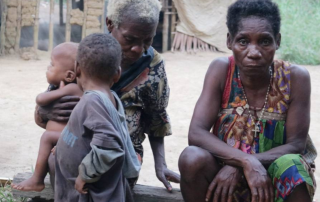
The Baka Pygmies of Eastern Cameroon know all too well how development projects can be used to destroy the livelihoods, homes and cultures. The nomadic-hunter gatherers have been pushed off their ancestral lands by mining and logging companies, as well as by conservation groups trying to save elephants and gorillas. Pushed into the territories of forest-dwelling ethnic groups, the result has been further conflict and a turn to alcohol as a way to deal with the myriad of problems facing them. Baku women are bearing the greatest brunt of the growing alcoholism, often facing brutal violence from their husbands and other male members of the community, in addition to the stress of having to find food and generate income. Photo credit: Josiane Kougheu/Thomson Reuters
15 08, 2006

Micro-Hydro Powers Rural Development In Cameroon

2017-08-26T13:42:40-04:00Tags: |

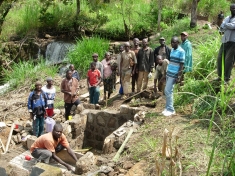
Though approximately 96% of Cameroon’s grid-based electricity comes from large dams, a large part of the population still lacks access to affordable power. However, women like Mrs. Tagme of Bansoa, Cameroon are taking advantage of micro-hydro power provided by Pelton turbines and local NGO ADEID. Women receive training in the administration, maintenance and community management of the infrastructure, including community finance mechanisms: things are looking up for Cameroonian women. Photo credit: Terri Hathaway