
Ecuador: Indigenous villages fight ‘devastating’ mining activity
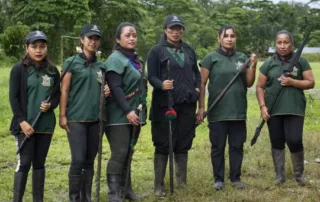
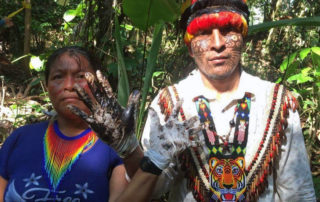
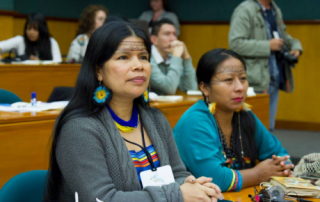
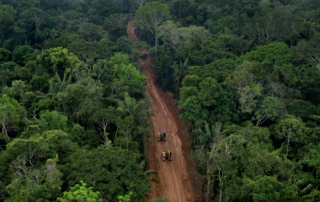
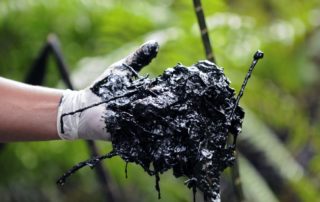
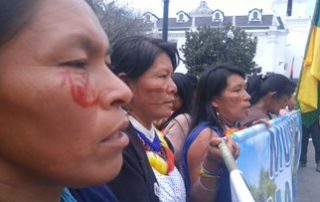
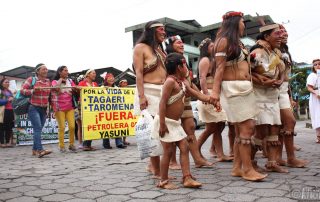
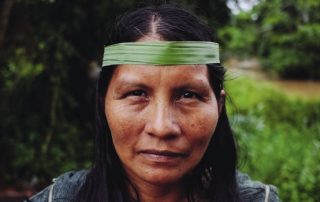
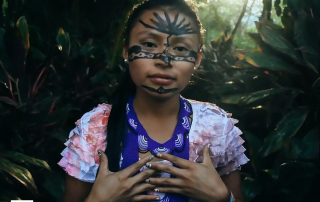
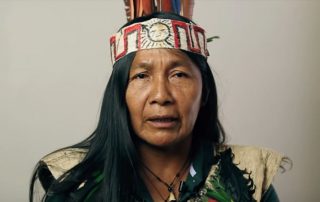
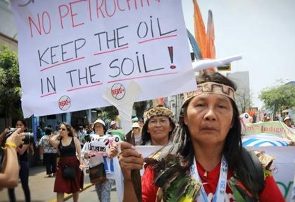
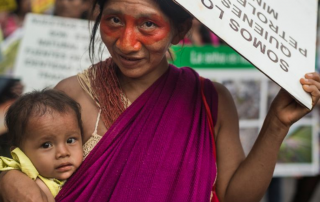
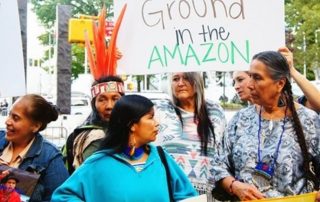
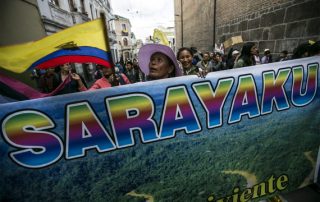
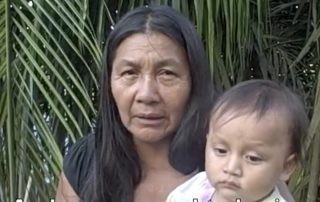
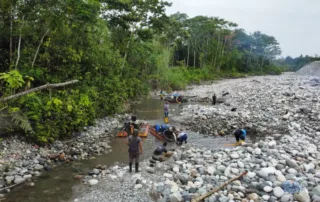
In Napo, Ecuador, an expansion in mining activity has been polluting surrounding rivers and Indigenous lands, with concentrations of toxic metals up to 352 times the limit established by environmental guidelines. Eli Virkina, an Indigenous Kichwa community member, says she can no longer drink from the river and is beginning to question the safety of swimming in it. Virkina has witnessed increasing numbers of large machinery, black smoke, and noise pollution along the river in the last few years. Along with physical impacts on her body, she has also discovered lumps in her breasts and changes to her skin. Indigenous communities have been mobilizing across Napo to resist mining through the formation of alliances, including the first women-led Indigenous guard in the Amazon. Positive milestones have been reached, with the Ecuadorian Constitutional Court recognition of Indigenous communities to give the final say on extractive projects which impact their territories in February of 2022. Unfortunately, this ruling was not upheld during the approval of a mining project in Las Naves. The article closes with Virkina emphasizing the importance of Indigenous resistance to the region’s future, saying how it is much easier for mining operations to gain access to the rivers without the presence of Indigenous communities. Photo Credit: Top Image - Napo Resiste