
Ethiopia

/Tag: Ethiopia


26 04, 2024

Building Gender-Inclusive Infrastructure for Climate Resilience in Africa

2025-06-11T23:00:12-04:00Tags: , , |

Emma Mayhew and Grace Muinga stress the need for incorporating a gendered perspective in climate-resilient infrastructure development to enhance effectiveness and avoid reinforcing inequalities. The Global Center on Adaptation (GCA) integrates gender considerations into its projects, aiming to create infrastructure that serves everyone equitably amid the growing pressures of climate change. In Kenya, GCA’s climate risk analysis found that women are disproportionately affected by infrastructure disruptions from climate hazards like flooding and extreme heat. It also identified a gender-based digital divide and low female participation in decision-making. The analysis recommended collecting gender-disaggregated data, engaging stakeholders in gender-responsive ways, and implementing gender-responsive budgeting. In N’Djamena, Chad, GCA’s assessments highlighted the increased challenges women face during climate events given their primary responsibilities for childcare, water collection, and food gathering. Proposed solutions focused on reducing women’s burdens, improving access to resources, creating income opportunities, and boosting women’s roles in community decision-making. In Borana, Ethiopia, GCA’s gender action plan addressed the severe impact of water scarcity on women, who spend hours fetching water. Recommendations included forming gender-balanced management committees and addressing social norms that heighten vulnerabilities for women and girls during climate events.

6 09, 2017

#OurSolutions: Interview With Azeb Girmai Of Environmental Development Action

2017-12-06T14:29:55-05:00Tags: |

As part of the Women’s Environment and Development Organization (WEDO’s) #OurSolutions storytelling project, Azeb Girmai of Ethiopia shares her insights on women-centered sustainable development, structural change for climate justice, and strategies for strengthening local capacity for climate resilience and addressing poverty.
30 08, 2017

#OurSolutions: Interview With Azeb Girmai Of Environmental Development Action (ENDA)

2017-10-30T20:51:44-04:00Tags: |

Azeb Girmai is PhD candidate in Kyoto University’s Division of African Studies who previously worked with Environmental Development Action (ENDA) in Ethiopia. In this interview with the Women’s Environment and Development Organization, she speaks about the need to center women in climate change mitigation and adaptation efforts, as women are central to environmental conservation and social development.

12 05, 2016

Women And Energy-Saving Technology Transform Lives In Rural Ethiopia

2017-10-01T17:49:41-04:00Tags: |

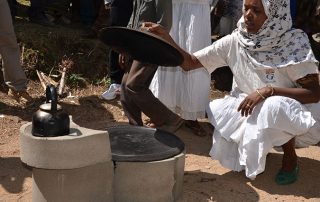
Ethiopian women have been transforming their communities while earning income in a sustainable manner. Kimiyaa Umar participated in a United Nations programme that provides women with entrepreneurial training and a small loan, enabling Umar and her fellow participants to save money and create an energy-saving cookstove cooperative. Photo credit: UN Women/Fikerte Abebe

15 10, 2015

Listening To Kara Women Speak

2017-08-26T12:20:32-04:00Tags: |

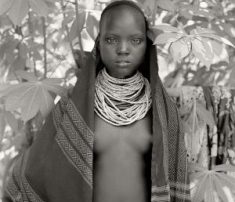
The Kara people of Ethiopia are one of eight distinct indigenous communities of the Lower Omo valley in Ethiopia, whose lives and livelihoods are being threatened by agricultural plantations and the construction of the Gibe 3 hydroelectric dam. Once completed, the dam will disrupt fragile ecosystems in the region and threaten the Omo people’s way of life and culture, passed down generation to generation through oral tradition. Jane Baldwin’s exhibition, “Kara Women Speak”, is an account of the intricate ways in which Kara women have responded to the damming of the Omo River and the persistence of patriarchy in their lives, and finally, their resistance to an oppressive state, its machinery and foreign investments. Photo credit: Jane Baldwin

23 08, 2013

African Regional Meeting On Gender And Climate Change

2017-10-16T23:31:57-04:00Tags: |

The Common Market for Eastern and Southern Africa (COMESA) has organized n recent years regional meetings on gender and climate change, bringing together policy-makers, gender practitioners and negotiators in order to share capacity and knowledge over these intersections. These meetings most importantly cover gender equality in the context of climate change, the pitfalls and possibilities of gender mainstreaming strategies within the UNFCCC platform and finally, how to develop better tools, knowledge and research to specifically support African women’s work on climate-related matters. Photo credit: WECAN International

1 03, 2011

The River Provides For Us: One Woman’s Story

2017-08-26T13:28:25-04:00Tags: |

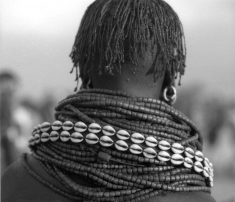
An estimated half a million Indigenous people on the Kenya-Ethiopia border will be affected by the construction of the Gibe 3 dam on the Omo River. In this anonymous portrait, an Indigenous Omo woman shares how she and her people depend on the Omo river: irrigating sorghum crops, watering cattle and goats, and fishing for subsistence. She highlights the exclusion of women and community members from negotiations with Ethiopia’s government, though she and her community know what is at stake. The piece ends with a call to action to protect the Omo River and its people. Photo credit: Jane Baldwin