
The Senior Women Fighting For a Livable Planet
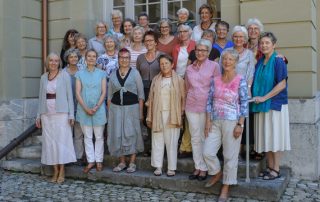
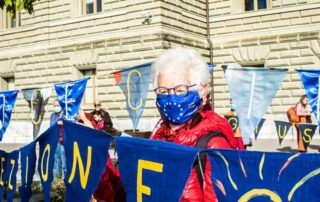
A group in Switzerland called, Klimaseniorinnen, which translates to the 'Senior Women for Climate Protection' association has taken the battle against climate change to the European Court of Human Rights. Led by retired women, they demand a judicial review of climate policies, asserting that inadequate action violates fundamental human rights. Their legal challenge underscores the Swiss Government's failure to safeguard the population from dire consequences, revealing the disproportionate impact of climate crises on vulnerable groups, especially women and the elderly. This marks the first time such a complaint about the violation of human rights due to climate negligence is being heard at the highest court level. Notably, a ruling in their favor could set a precedent across all 46 Council of Europe member states, empowering citizens to hold their governments accountable for climate inaction. Championed by over 2,000 members with an average age of 73, Klimaseniorinnen's fight has garnered support from environmental organizations like Greenpeace Switzerland and Client Earth. For these women, having their case heard at this level is a remarkable milestone, considering their upbringing occurred at a time when women in Switzerland lacked voting rights. They are determined to make the most of the available legal avenues in their pursuit of climate justice. Photo Credits: Kathrin Grissemann