
Indigenous activists say Haw River should be a legal entity
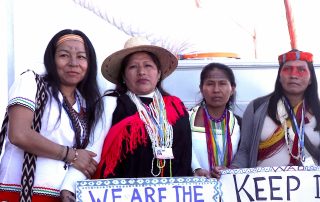
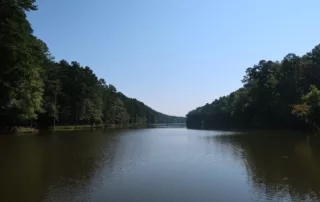
Crystal Cavalier-Keck and her husband Jason Campos-Keck are leading an educational movement in North Carolina to give rights to the Haw River, which flows for over 110 miles and sustains a 1700-mile watershed basin critical for wildlife conservation. The couple aims to pass House Bill 795, a piece of legislation that would declare the river as a legal entity, providing it with stronger protections from polluting industries. Current environmental laws fall short of adequately protecting Haw River. In Indigenous culture, humans see nature as a living relative. Bringing Rights of Nature into government law would allow local Indigenous peoples to care for the river as such and allow organizations and other entities to sue polluting entities on its behalf. The Keck’s organization, Seven Directions of Service, is wary that the government may not accept or pass such a law; however, just in raising the issue, the two hope to inspire more care and action throughout the community. Photo Credit: Celeste Gracia/WFAE